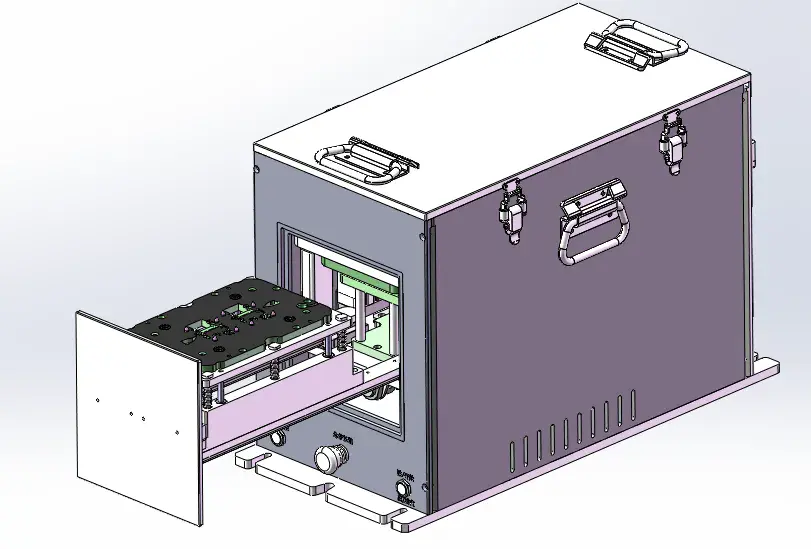
Automatic PCBA RF shield box
Application and Advantages of Drawer - type and Automated Test Shielding Boxes
In the modern electronics and communication industries, drawer - type rf shield box and automated test shielding boxes play a crucial role in ensuring the accuracy and reliability of product testing. These shielding boxes are designed to isolate electronic devices from external electromagnetic interference (EMI) and radio - frequency interference (RFI), creating a controlled environment for precise testing.
Drawer - type shielding boxes offer unique application scenarios. They are especially useful in scenarios where frequent insertion and removal of devices under test (DUTs) are required. In research and development laboratories, engineers often need to quickly switch between different prototypes or components for testing. The drawer - type design allows for easy access, saving time and improving workflow efficiency. For example, in the development of small - scale wireless devices like Bluetooth earbuds or smartwatches, technicians can smoothly place the devices into the shielding box for wireless performance testing and take them out for further adjustments or inspections.
Automated test shielding boxes, on the other hand, are highly applicable in mass - production lines. With the increasing demand for high - volume electronic product manufacturing, manual testing methods are no longer sufficient. Automated test shielding boxes can be integrated into the production line, enabling seamless connection with other automated testing equipment. They can automatically load, test, and unload DUTs according to pre - set procedures. In the production of smartphones, thousands of units need to undergo comprehensive wireless communication and signal integrity tests every day. Automated test shielding boxes can handle this large - scale testing task efficiently, ensuring consistent test quality and reducing human errors.
The advantages of these shielding boxes are numerous. First and foremost, they effectively block external electromagnetic and radio - frequency signals. This isolation ensures that the test results accurately reflect the true performance of the DUTs without being affected by external interference. As a result, manufacturers can obtain reliable data to improve product design and quality control. Secondly, both drawer - type and automated test shielding boxes enhance testing efficiency. The drawer - type design facilitates quick device replacement, while the automated version enables continuous and unattended testing, significantly reducing the overall testing time. In addition, they improve test repeatability. Since the shielding environment remains stable, the same test conditions can be replicated precisely for multiple DUTs, leading to more consistent and comparable test results. This is vital for quality assurance in large - scale production and for scientific research where accurate and reproducible data are essential.
Moreover, these shielding boxes contribute to cost - savings in the long run. By reducing the occurrence of false - positives and false - negatives in testing, they help avoid unnecessary product recalls and rework. Automated test shielding boxes, in particular, reduce the need for a large number of manual testers, cutting down on labor costs. In conclusion, drawer - type and automated test shielding boxes are indispensable tools in the electronics industry, driving forward the progress of product testing and manufacturing with their wide applications and remarkable advantages.
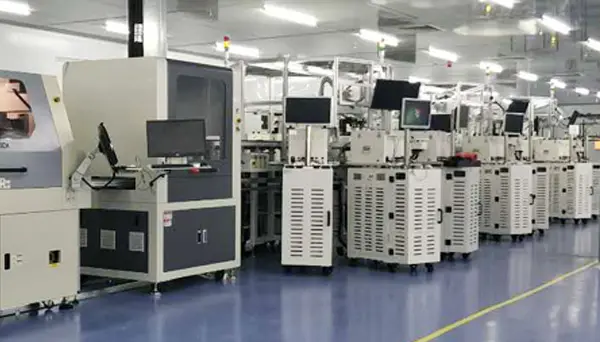
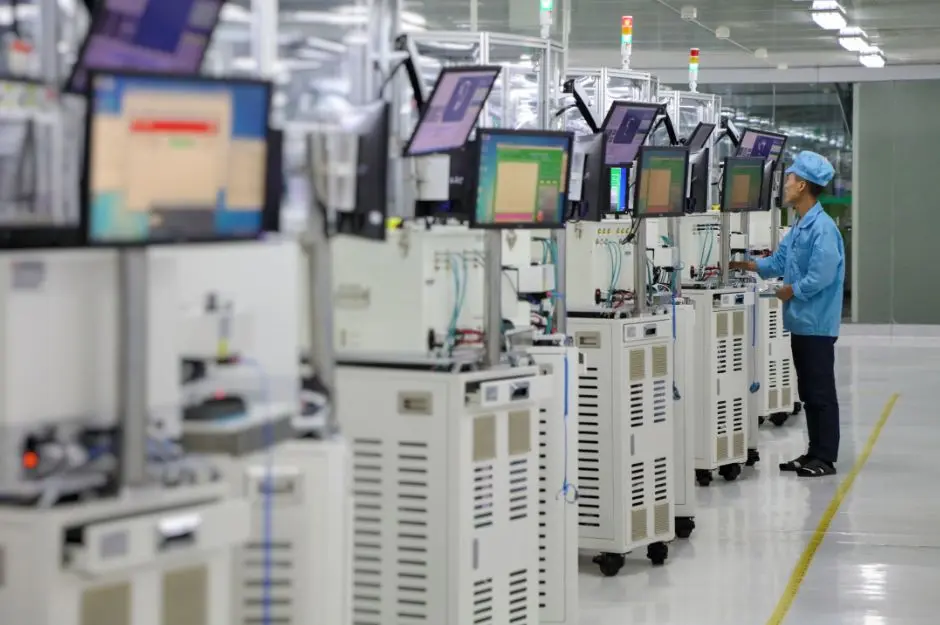
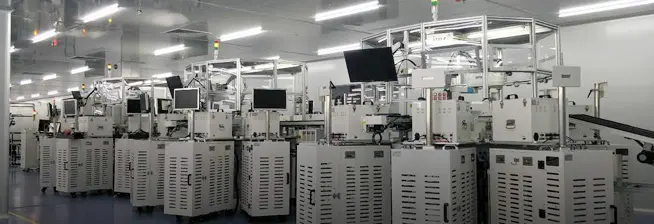
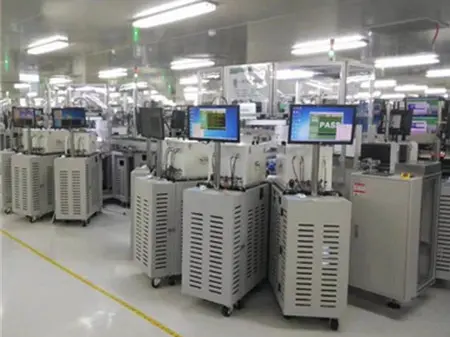
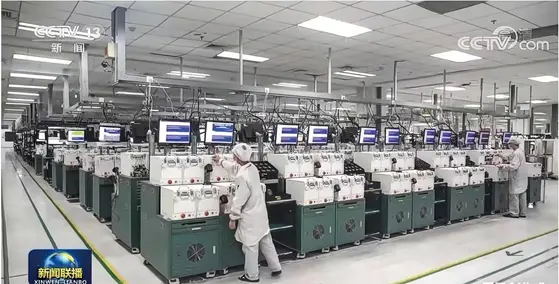
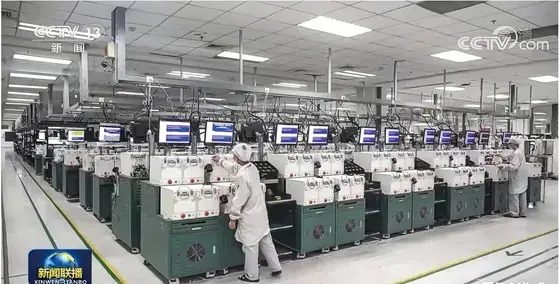
We cooperate with a number of robot automation solution companies to provide a large number of different types of automated RF PCBA testing platforms to most mobile terminal manufacturers in the industry, which is an active practitioner of the national machine replacement plan.In the picture, the automation production line containing the test equipment provided by us was inspected by our great national leaders.