High-performance shielding chamber
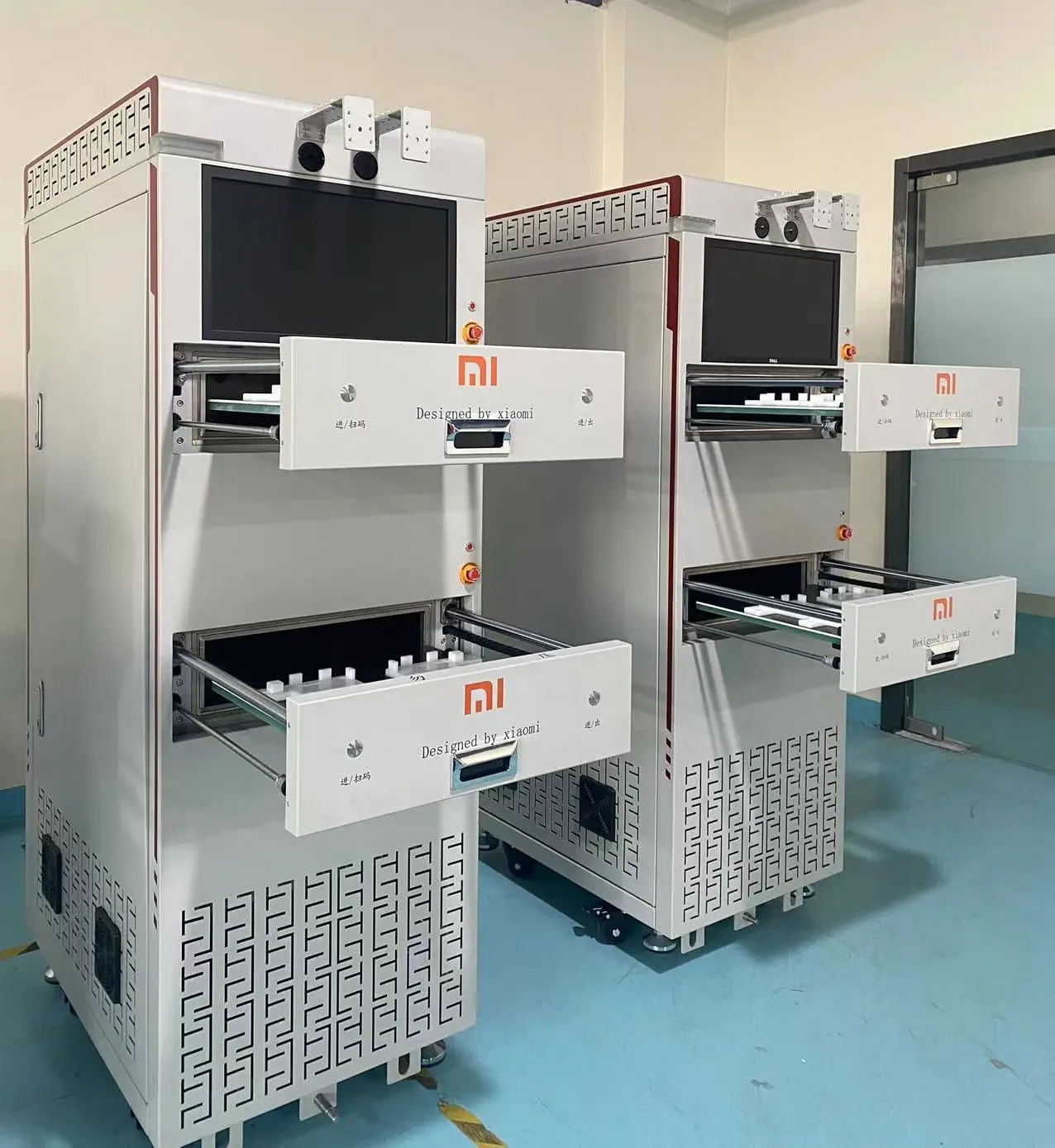
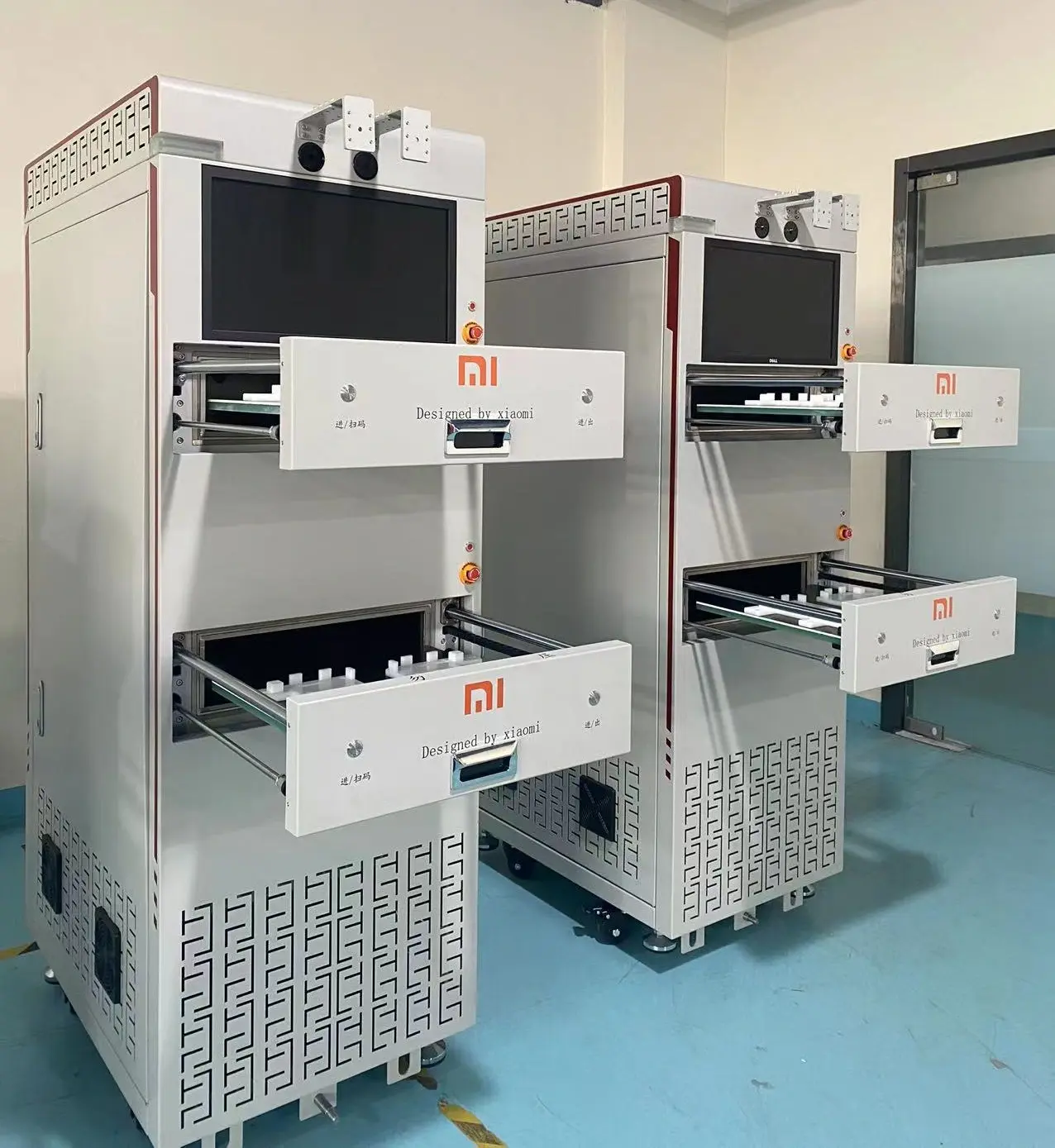
When selecting a suitable high - performance shielding box, the following aspects should be taken into consideration:
1. Clarify Usage Requirements: Determine the purpose and application scenarios of purchasing the shielding box, such as high - precision electromagnetic compatibility (EMC) testing, wireless communication testing, etc. Different applications have varying functional requirements for the shielding box.
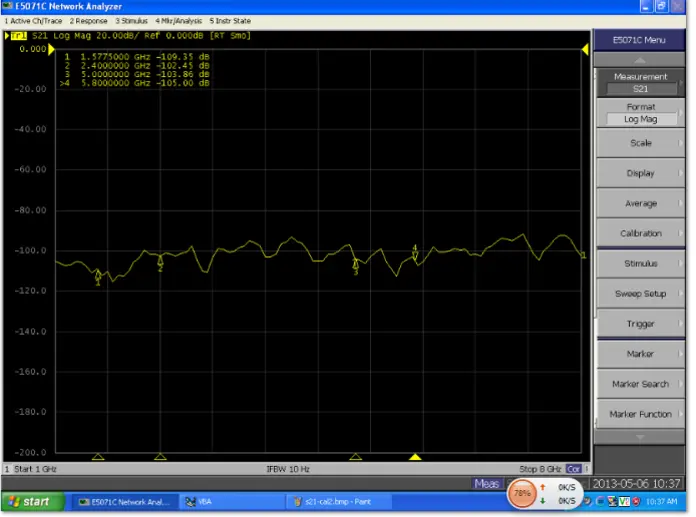
2. Focus on Shielding Effectiveness: Shielding effectiveness is measured in decibels (dB). A higher value indicates better shielding performance. For general EMC testing, a shielding effectiveness of 60dB is usually sufficient, while high - precision testing may require 80dB or even higher.
3. Consider Dimensions and Structural Design: Choose a shielding box with adequate internal space according to the actual size of the equipment. Also, examine details such as the door seal design, the material of the observation window, and the layout of ventilation holes to ensure they meet your needs. For example, a waveguide - type honeycomb structure for ventilation holes can balance heat dissipation and shielding effectiveness.
4. Pay Attention to Material Quality: High - quality shielding boxes typically use high - conductivity materials like aluminum alloy or stainless steel for the outer shell. The internal absorbing materials are also crucial as they can effectively absorb reflected electromagnetic waves and enhance the shielding effect.
5. Evaluate Cost - performance: Compare the product parameters and user reviews of multiple suppliers within your budget to find a product that balances performance and price. Avoid blindly pursuing high - end products or choosing products with insufficient performance due to low prices.
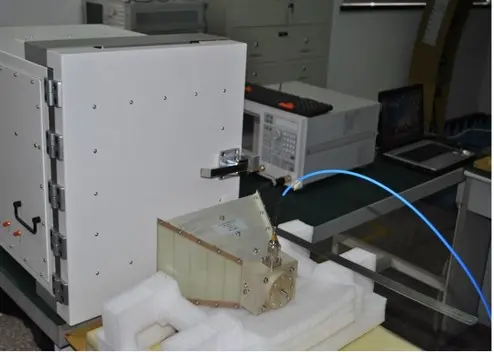
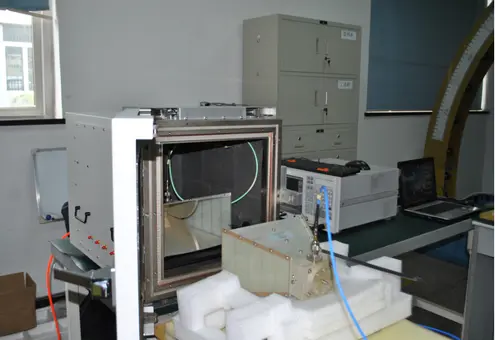
We provide high performance shielding chamber for several international telecommunications companies.
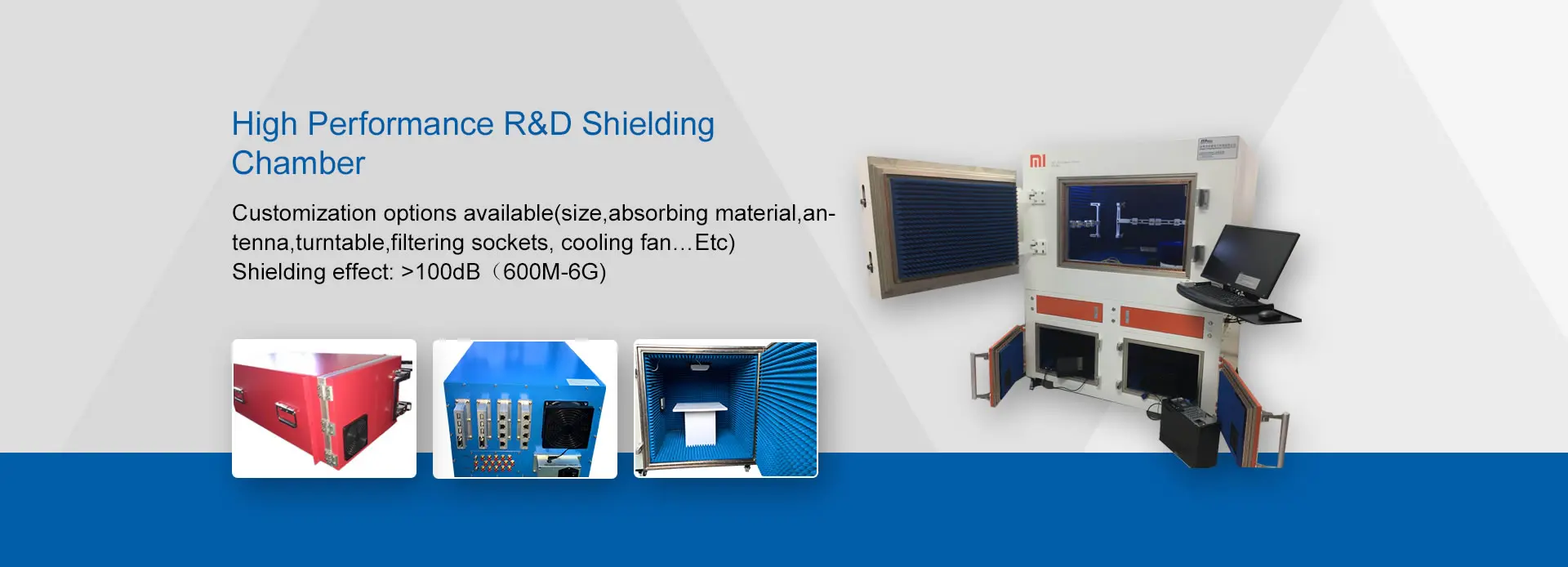
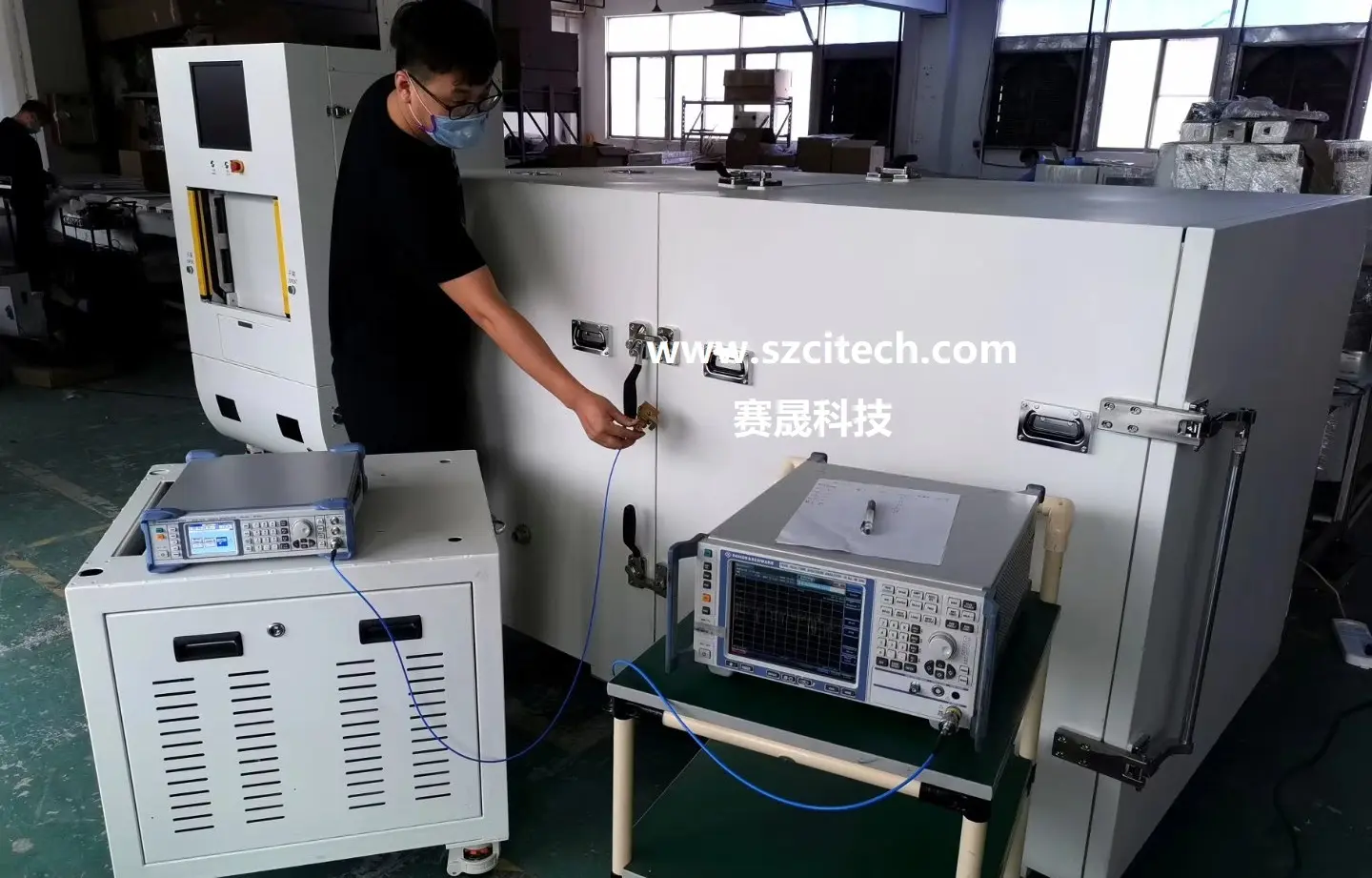
Shielding boxes are indispensable tools in electronic testing and signal - sensitive applications, offering distinct features and advantages. Structurally, they are crafted from high - conductivity materials like aluminum alloy or stainless steel, forming a robust enclosure that blocks external electromagnetic interference (EMI). This design enables them to achieve high shielding effectiveness, often measured in decibels, with some models capable of up to 100dB, ensuring a virtually interference - free environment for accurate testing. Their modular and customizable nature is another strength. Users can configure elements such as observation windows, cable ports, and ventilation holes according to specific requirements, balancing functionality with shielding performance. Moreover, shielding boxes enhance testing efficiency by simulating isolated environments, eliminating the need for costly, large - scale anechoic chambers for small - scale tests. Compact and portable models also facilitate on - site testing, while their ability to safeguard sensitive electronic devices from EMI during operation boosts data integrity and equipment reliability, making them essential across industries from telecommunications to aerospace.
Next没有了!