How to Choose a Suitable Shielding Box for Laboratory Use
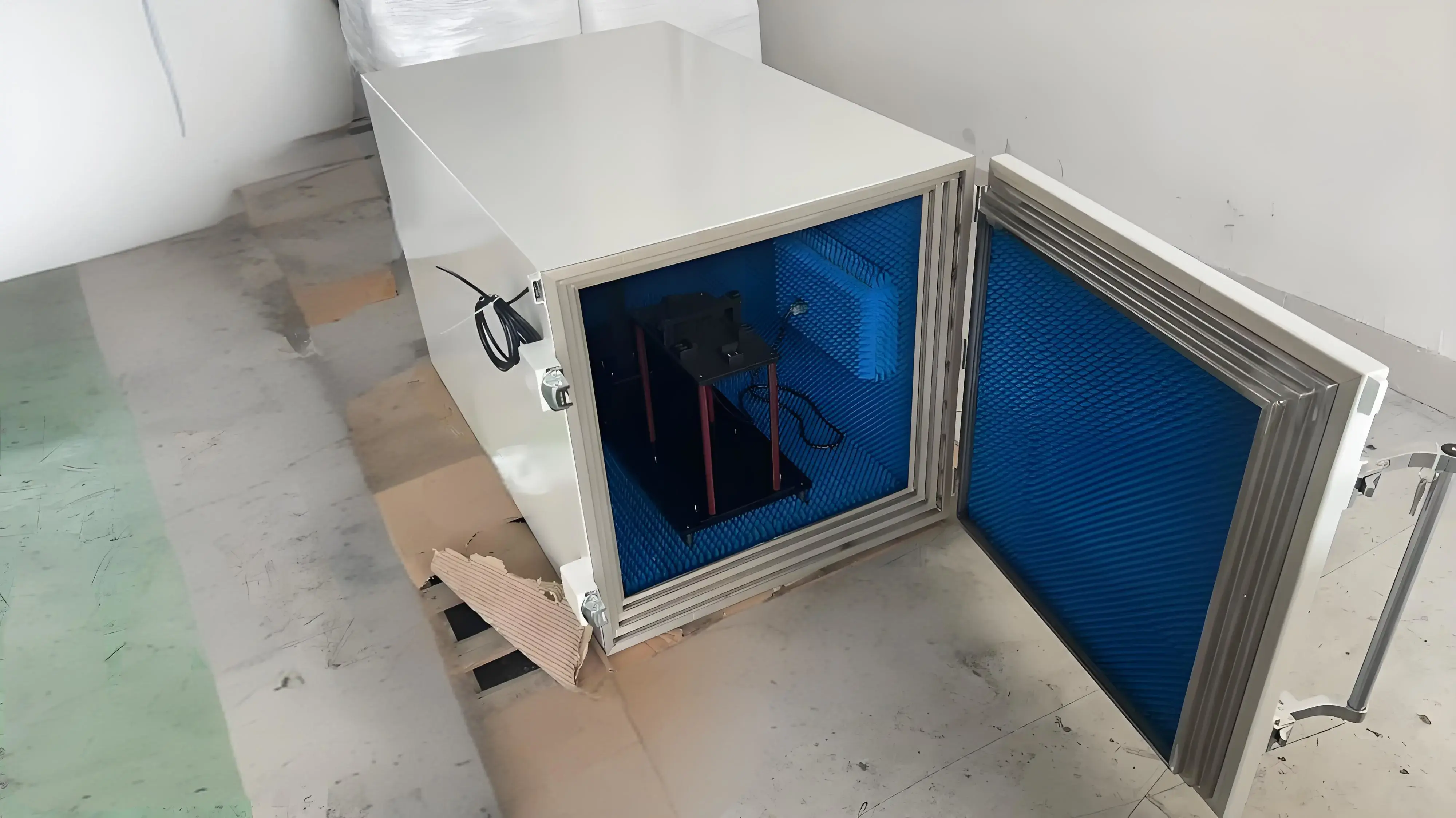
1. Clarify the Test Type First
- For EMI / electromagnetic interference testing → Choose an EMI shielding box
- For RF / radio frequency and wireless signal testing (WiFi, Bluetooth, 5G, NFC) → Choose an RF shielding box
- For acoustic / noise testing → Choose an acoustic enclosure / soundproof box
- For ESD / electrostatic discharge testing → Select models with electrostatic shielding and reliable grounding
2. Core Performance Indicators
Shielding Effectiveness (Most Critical)
- General laboratory applications: 60–80 dB
- Precision RF / wireless testing: 80–100 dB+
- For high-frequency (GHz band) testing, prioritize high-frequency shielding attenuation rather than only low-frequency performance
Frequency Range
Determined by the device under test:
- NFC / low-frequency devices: 100 kHz–1 GHz
- WiFi / Bluetooth: 2.4 GHz / 5.8 GHz
- 5G / millimeter-wave applications: Support up to 40 GHz, 50 GHz or higher
3. Internal Dimensions and Space
- Select according to the maximum outline size of the tested product, leaving space for fixtures and antennas
- Small modules / chips: compact benchtop shielding box
- Complete devices / equipment: medium or vertical shielding box
- Opening modes: pneumatic, manual or pull-out; pneumatic quick-opening is widely used in laboratories
4. Interface Configuration (Essential for Laboratories)
- Data interfaces: USB, RJ45, HDMI, Type-C
- RF connectors: N-type, SMA, BNC and other RF adapters
- Filtered power interfaces: AC/DC filtered power to prevent interference from power cables
- Pneumatic control interfaces and trigger signal interfaces
5. Material and Structure
- Housing: cold-rolled steel sheet / aluminum alloy
- Shielding gaps: beryllium copper fingers (ensures high-frequency shielding performance)
- Absorbing materials: internal microwave absorber foam or absorber sheets to reduce internal reflection
6. Optional Functions
- Automatic pneumatic door (labor-saving and efficient)
- Built-in temperature control and heat dissipation
- Programmable control interface for automated test systems
- Dedicated grounding terminal (must be reliably grounded)
7. Budget and Brand Selection
- R&D verification: choose mid-to-high-end domestic models for cost efficiency
- Certification-level precision testing: select high-end domestic or imported brands
- Small-batch R&D testing: prioritize standard-size general-purpose shielding boxes