How does an anechoic chamber achieve sound attenuation?
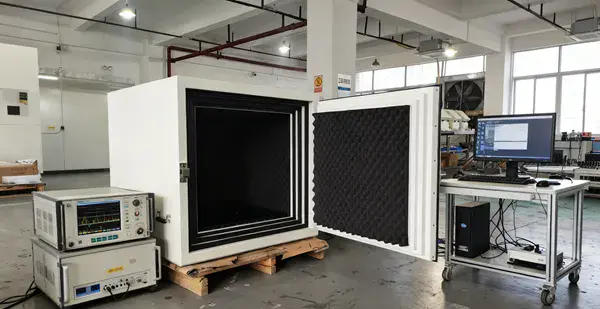
As the name suggests, an anechoic chamber refers to a room free of sound reflections. Typically, its walls are lined with sound-absorbing materials that exhibit excellent sound absorption performance, ensuring no sound wave reflections occur inside the chamber.
Sound-Absorbing Materials for Anechoic Chambers
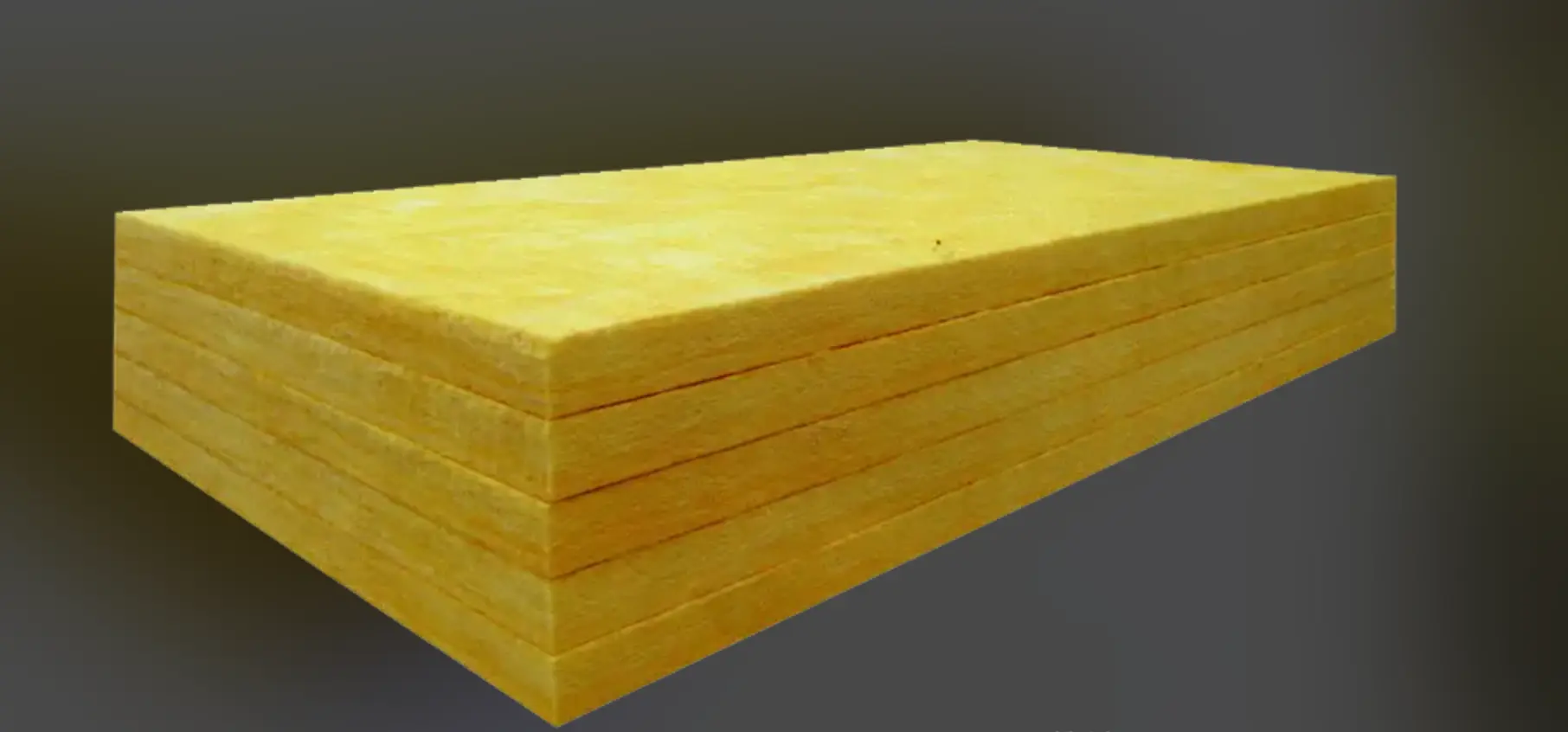
The sound-absorbing materials used in anechoic chambers require a sound absorption coefficient greater than 0.99. Gradient absorption layers are generally used, with common wedge-shaped or conical structures. Glass wool is often employed as the sound-absorbing material, though soft foam plastics are also used in some cases.
Since the 1940s, the principle of gradual transition has been gradually applied: porous (or fibrous) materials are made into conical or wedge-shaped sound absorbers, collectively referred to as **sound-absorbing wedges**. When sound waves are incident, the gradual transition property of the sound-absorbing layer allows the acoustic impedance of the material to match well with that of air. This enables sound waves to transmit into the sound absorber and be absorbed efficiently. To date, high-quality anechoic chambers both domestically and internationally all adopt wedge-shaped structures as sound absorbers.
Performance Testing and Additional Requirements of Anechoic Chambers Whether the performance of an anechoic chamber meets usage requirements is generally verified by testing the free field. Specifically, the sound pressure generated by a point sound source inside the chamber should be inversely proportional to the distance from the sound source. The deviation between the measured sound field and the ideal free field is the primary indicator used to evaluate the performance of an anechoic chamber:
- For general acoustic testing, this deviation is required to be no more than ±1 dB.
- For microphone calibration, this deviation is required to be no more than ±0.1 dB near the calibration distance.
In addition to meeting the free field requirements, anechoic chambers also demand a low background noise level. Therefore, certain vibration isolation measures must be implemented between the anechoic chamber and its foundation.