How to test the isolation of acoustic box
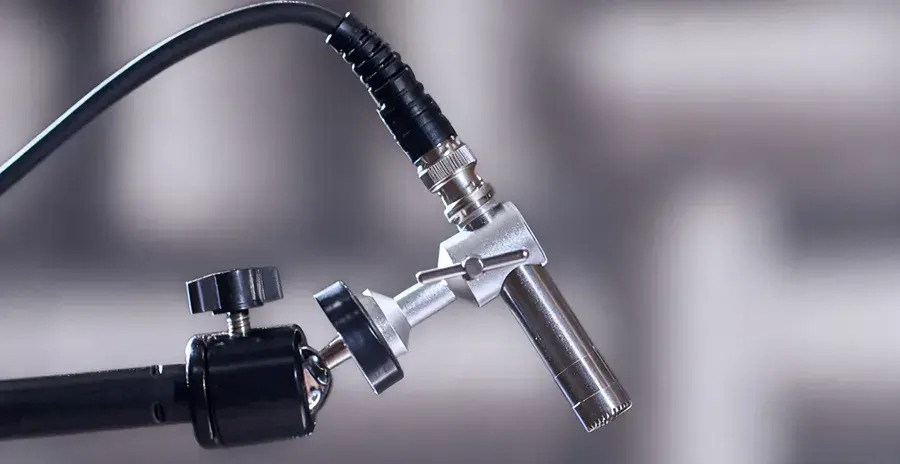
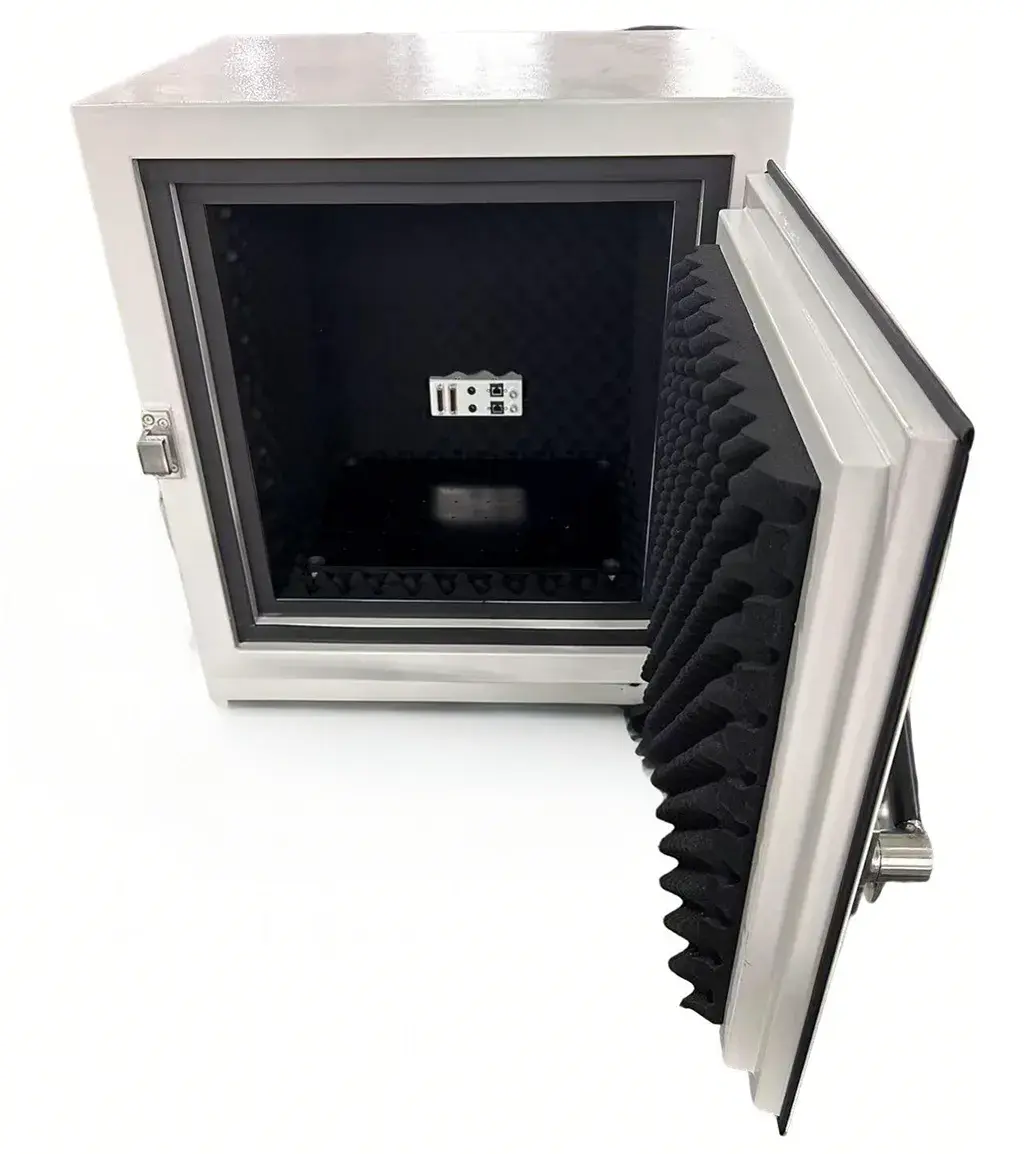
An acoustic box is a highly specialized chamber meticulously crafted from high-density metal—such as stainless steel or aluminum alloy, which boasts excellent structural stability and sound-blocking
performance—and professional sound-absorbing materials like porous foam, rock wool, or fiberglass. This unique combination of materials allows the acoustic box to fulfill two core functions: first, it
effectively reduces the impact of external noise (such as environmental vibrations, mechanical hums, or human activity sounds) on the sensitive equipment placed inside the acoustic box, ensuring the
equipment operates in a quiet, stable environment; second, it prevents the noise generated by the devices inside the acoustic box—like the operational sound of precision instruments or electronic
components—from spreading to the outside, avoiding interference with the surrounding environment or other equipment.
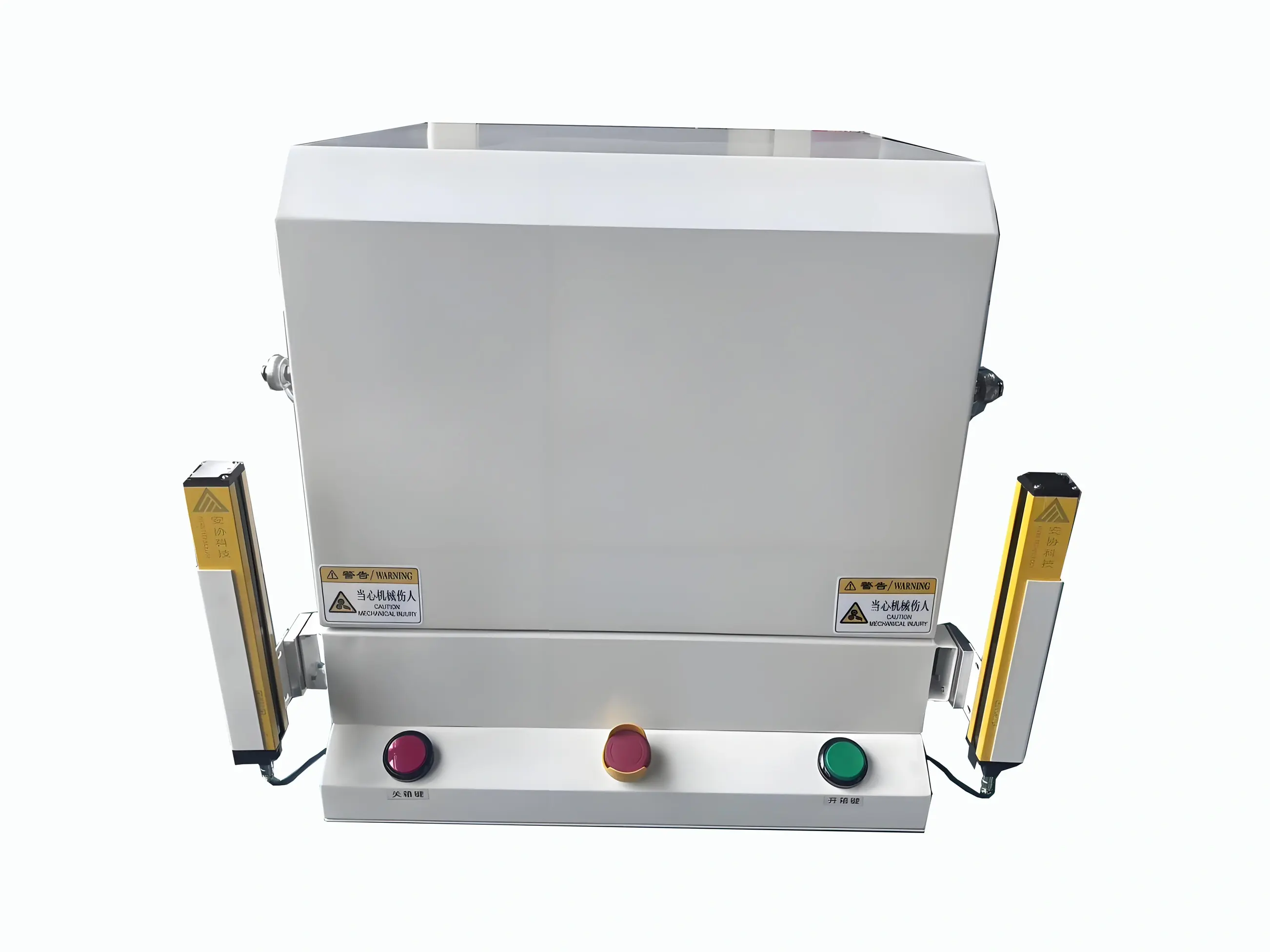
When discussing the performance of an acoustic box, soundproof technology is a key focus, and it can be divided into two main parts: sound insulation and sound absorption. Sound insulation relies on the
high-density metal shell of the acoustic box to block the transmission of sound waves, while sound absorption uses internal sound-absorbing materials to absorb residual sound waves inside the acoustic box,
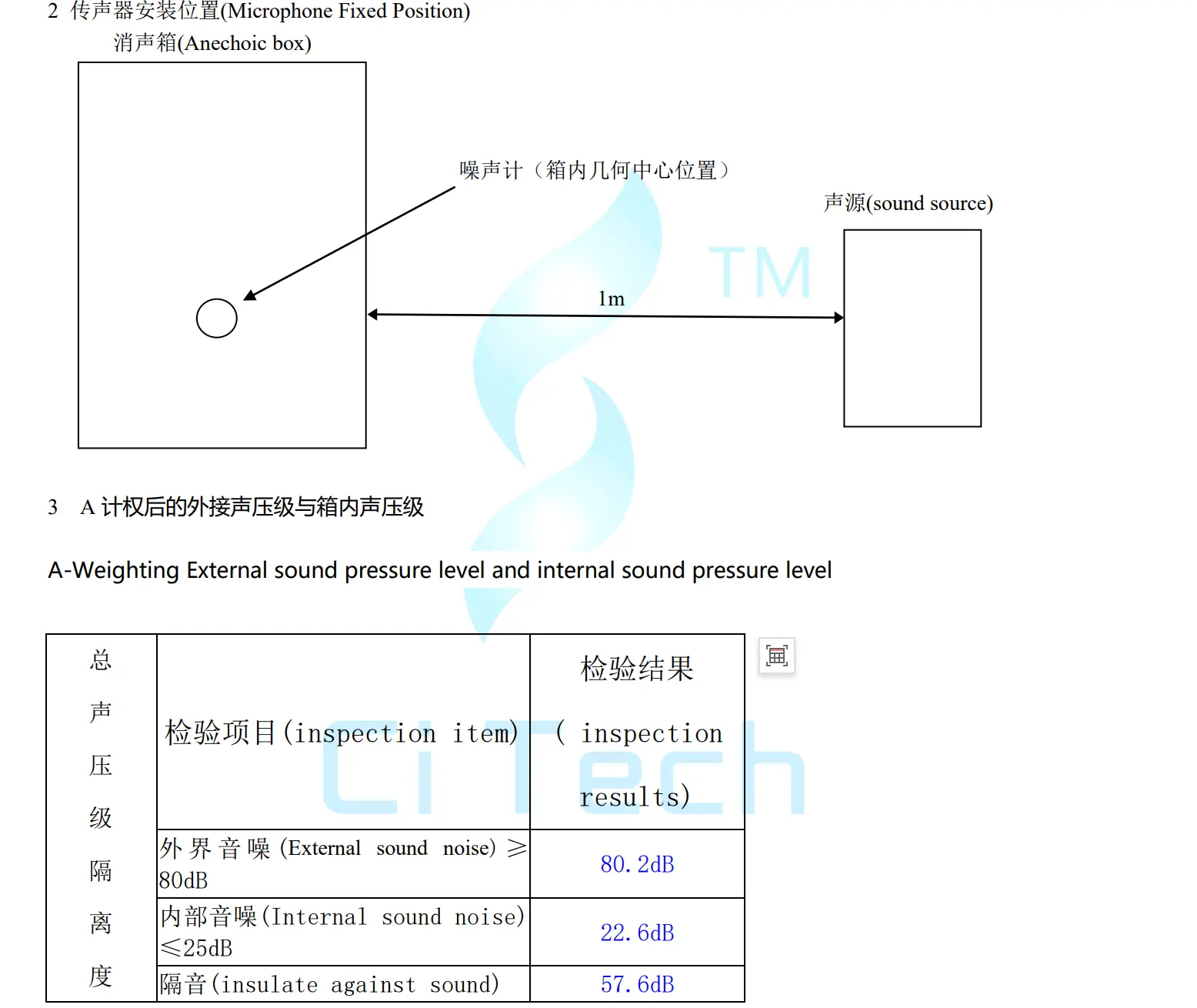
minimizing sound reflection and resonance. The calculation of the acoustic boxs soundproofing efficiency follows a strict process: within the working frequency range of the acoustic box (usually covering the
main frequency bands of the equipment inside), frequency points are set at one-third octave intervals. Then, sound pressure level tests are conducted with the acoustic box’s door open and closed, recording
the data as A (open door) and B (closed door) respectively. Finally, the sound insulation level TL of the acoustic box is calculated using the formula TL = B - A, with the result expressed in decibels (dBA), which
directly reflects the acoustic box’s ability to isolate noise.
Calibration Description
1.Reference documents and CNAS accredited scopes;
JJF 1147-2006 Specification for calibration of acoustic characteristics of anechoic and semi-anechoic chambers:Noise:(-2.5~120)dB;Sound Pressure Level:(-2.5~ 120)dB[31.5Hz~20kHz;d:(0.5~5)m]
2.A-Weighting External sound pressure level and internal sound pressure level
3.How to test the isolation of acoustic box |sound box|anechoic box|soundproof box|Caisson Acoustique
Saisheng -Professional supplier of RF shielding boxes and acoustic boxes