What is Acoustics?

What is Acoustics?
What we commonly refer to as acoustics is more precisely defined as electroacoustics. This specialized field focuses on the design of sound reconstruction and recording systems for audio devices such as
headphones, microphones, and loudspeakers. It is a branch of acoustics dedicated to studying the principles and technologies of sound-electrical energy conversion, encompassing the capture, storage,
processing, transmission, measurement, playback, and practical applications of audio signals.
When discussing electroacoustics, acoustic testing is an indispensable topic. In the industry, Soundcheck is the go-to software for acoustic measurements. Developed by Listen Inc., Soundcheck is an audio and
electroacoustic testing platform that requires compatible hardware to form a complete testing system. It is universally applicable for all audio and electroacoustic testing scenarios, supporting the evaluation of
products including loudspeakers, headphones, microphones, telephones, and mobile phones.
Why is Acoustic Testing Critical?
As consumers deepen their understanding of audio products, their demands for playback and recording quality have risen dramatically. Gone are the days when basic functionality—"merely producing
sound"—sufficed. Today’s users scrutinize audio performance with stringent standards. Consequently, manufacturers can no longer rely on subjective human auditory judgment to assess sound quality.
Instead, they must adopt scientific, rigorous acoustic testing methodologies to ensure product excellence.
The Objectives of Acoustic Testing
For end-users, the primary goal of acoustic testing is to meet their high expectations for sound quality. Through precise testing, products deliver audio that is clear, pleasant, and free from distortion, elevating
the overall user experience.
For manufacturers and production facilities, acoustic testing acts as a critical quality control checkpoint. It identifies defective products with audio flaws before they leave the factory, enabling timely repairs
and design optimizations. This ensures only products that meet consumer standards are shipped, safeguarding brand reputation and customer satisfaction.
The Role of Acoustic Engineers
Acoustic engineers play a pivotal role throughout the testing process. They are responsible for maintaining a stable, standardized testing environment aligned with product specifications. When acoustic
anomalies are detected, engineers analyze test data to pinpoint root causes, then mandate process adjustments or component upgrades for production lines. Their work directly improves testing pass rates
and minimizes the risk of defective products reaching the market.
Acoustic Testing Environment & Equipment Consultation
Design and Construction of Anechoic Chambers
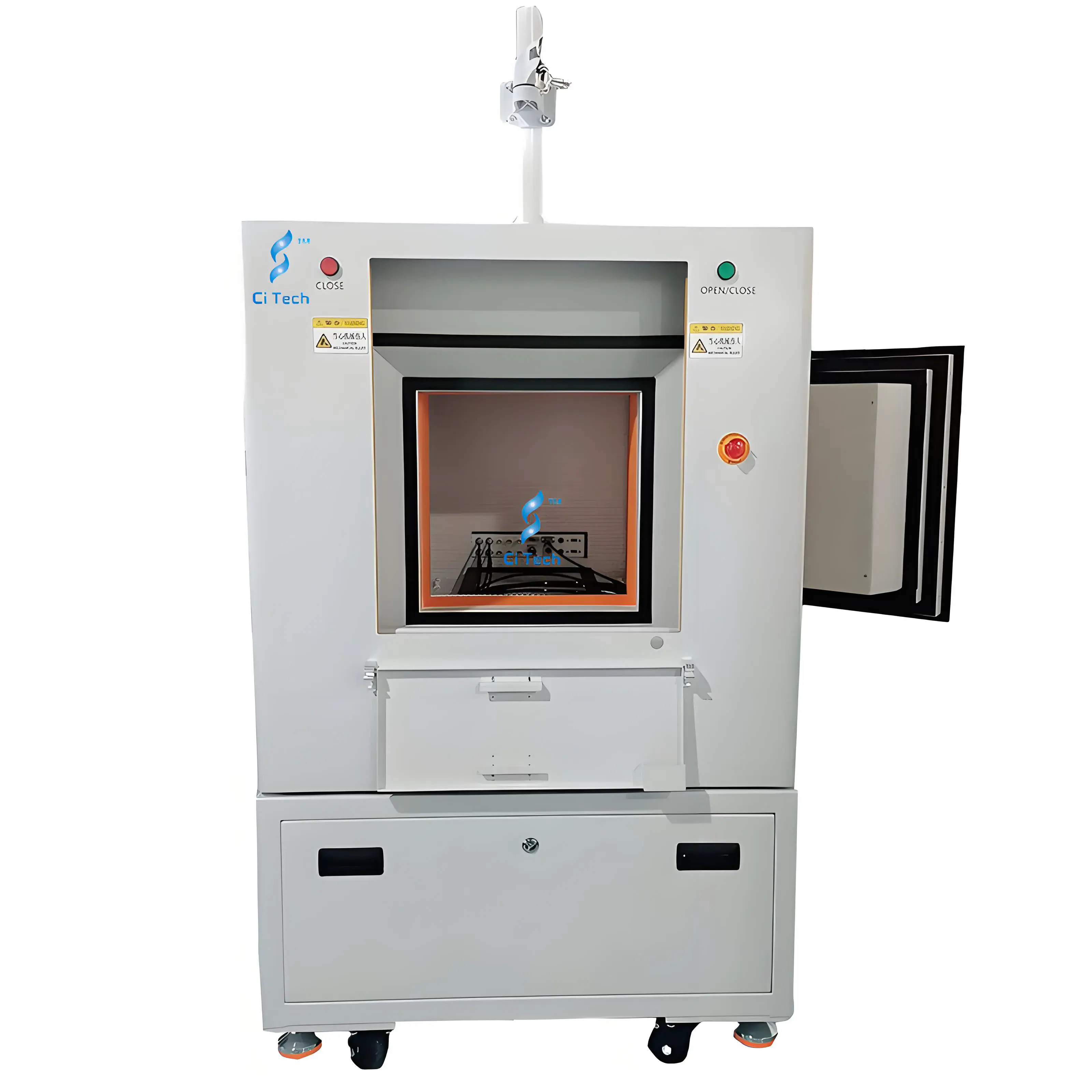
We provide tailored consultation on acoustic testing environments and equipment configurations based on product functions, applications, and validation requirements. We also develop customized testing
protocols and acceptance criteria. For example, microphone testing prioritizes noise and echo cancellation performance, while loudspeaker evaluations focus on frequency response curve accuracy and
nonlinear distortion levels.
Services also cover system integration: connecting devices under test (DUTs) to playback/recording equipment and monitoring computers, equipment operation guidance, and verification of equipment lists.
Chamber Calibration and Validation Testing
Pre-test chamber calibration is essential to ensure optimal functionality and reliability. As the saying goes, "Sharp tools make good work"—a well-calibrated chamber guarantees accurate, interference-free
test results, enabling precise evaluation of product audio performance against consumer expectations. Key validation tests include:
Loop Test: Conducts audio cycle testing inside the chamber to verify the input/output functionality and quality of audio devices.
Gage Repeatability and Reproducibility (GRR) Test: Validates the correctness of chamber setup and audio device connections, ensuring sound transmission between DUTs and systems under test (SUTs) is
optimal. It also confirms that different operators using Soundcheck can consistently obtain identical, error-free test results.
Equipment and Environment Verification: Checks the functionality of reference loudspeakers (Ref LS) and reference microphones (Ref MIC) within the chamber, and assesses sound insulation performance to
ensure external noise does not interfere with internal testing.
Post-test, engineers analyze audio response and noise analysis curves generated during chamber testing to determine if products meet client specifications.
Production Process Quality Monitoring, Improvement, Maintenance and Documentation
Surface Mount Technology (SMT) Stage: Monitors the entire SMT process for microphone (MIC) boards, tracking potential defects from production to transportation to assembly lines.
Sub-Assembly Stage: Oversees the attachment of MIC boards to product enclosures, ensuring assembly environments meet quality standards, protecting MIC components from contamination, and identifying
process-related issues that may cause defects.
System Assembly Stage: Manages the integration of MIC boards and loudspeakers into finished products, tracking potential failure points during final assembly.
Audit checklists are created and updated based on process inspections to systematically review production quality. These checklists not only verify batch quality but also drive continuous process
improvements.
Acoustic Testing Yield Statistics
If factories have existing acoustic testing data, we cross-verify factory statistics with on-site monitoring results to ensure data consistency. For factories without historical data, we collect and analyze mass
production data from previous batches to establish baseline yield metrics and facilitate comparative analysis.
Analysis of Defect Causes and Repair Outcomes
For critical acoustic defects identified during testing, we conduct Failure Analysis (FA) to determine root causes, then drive process or component improvements. We also compile statistics on repair outcomes
for defective products, clearly identifying issues and implementing targeted corrective actions.
Test log data is retrieved and analyzed using specialized software tools. By comparing generated curves, anomalies are quickly identified, enabling data-driven analysis and resolution of acoustic issues.
Article source: Internet
Saisheng – Professional Supplier of RF Shield Boxes, Acoustic Test Chambers, Test Connectors and Coupling Antennas
Saisheng: A professional manufacturer specializing in RF shield boxes, acoustic test chambers, soundproof enclosures, and automated test connectors, dedicated to delivering fully customized solutions
tailored to your specific requirements.