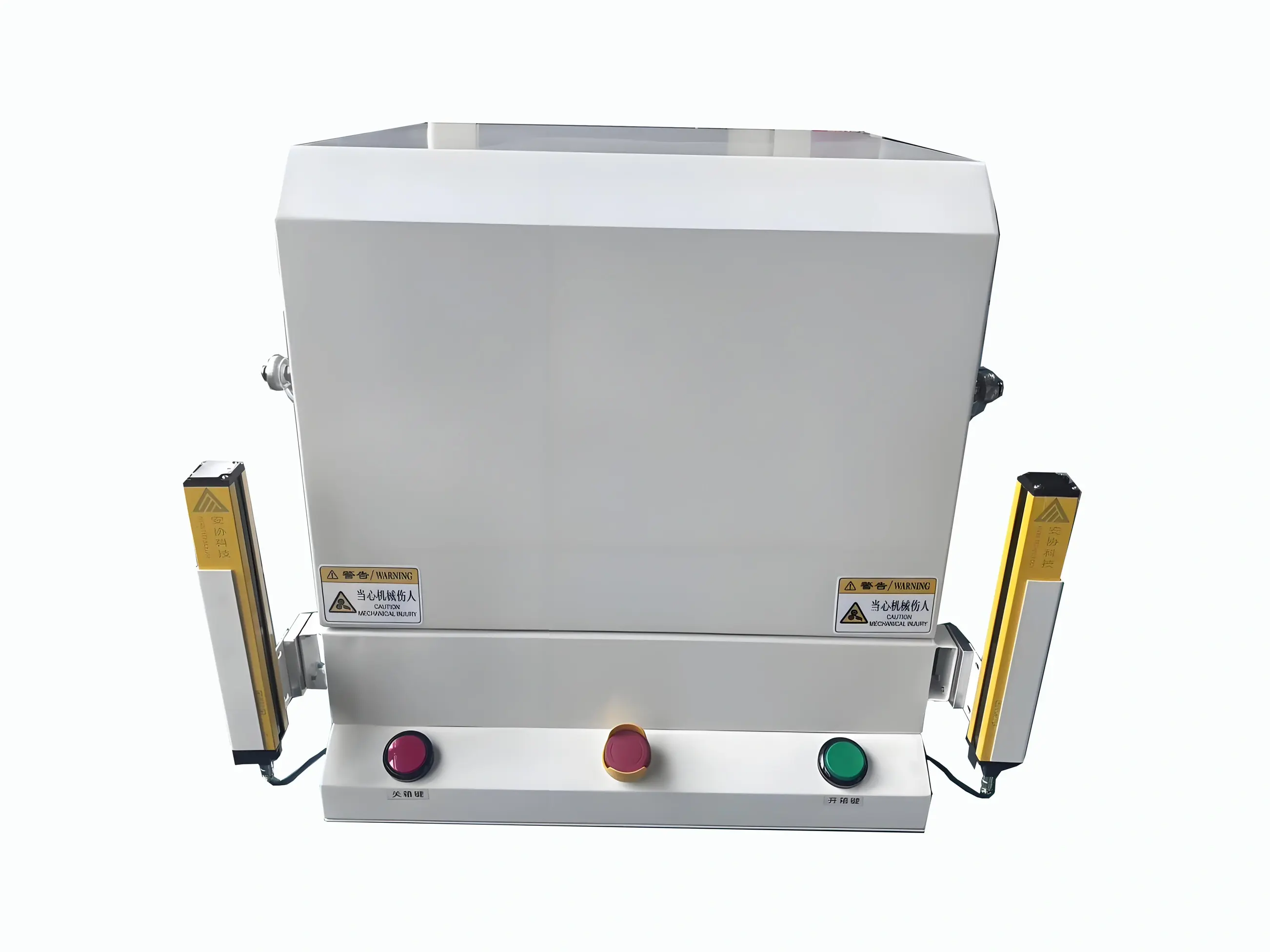
How to quantitatively test the differences in the noise spectra of solenoid valves?
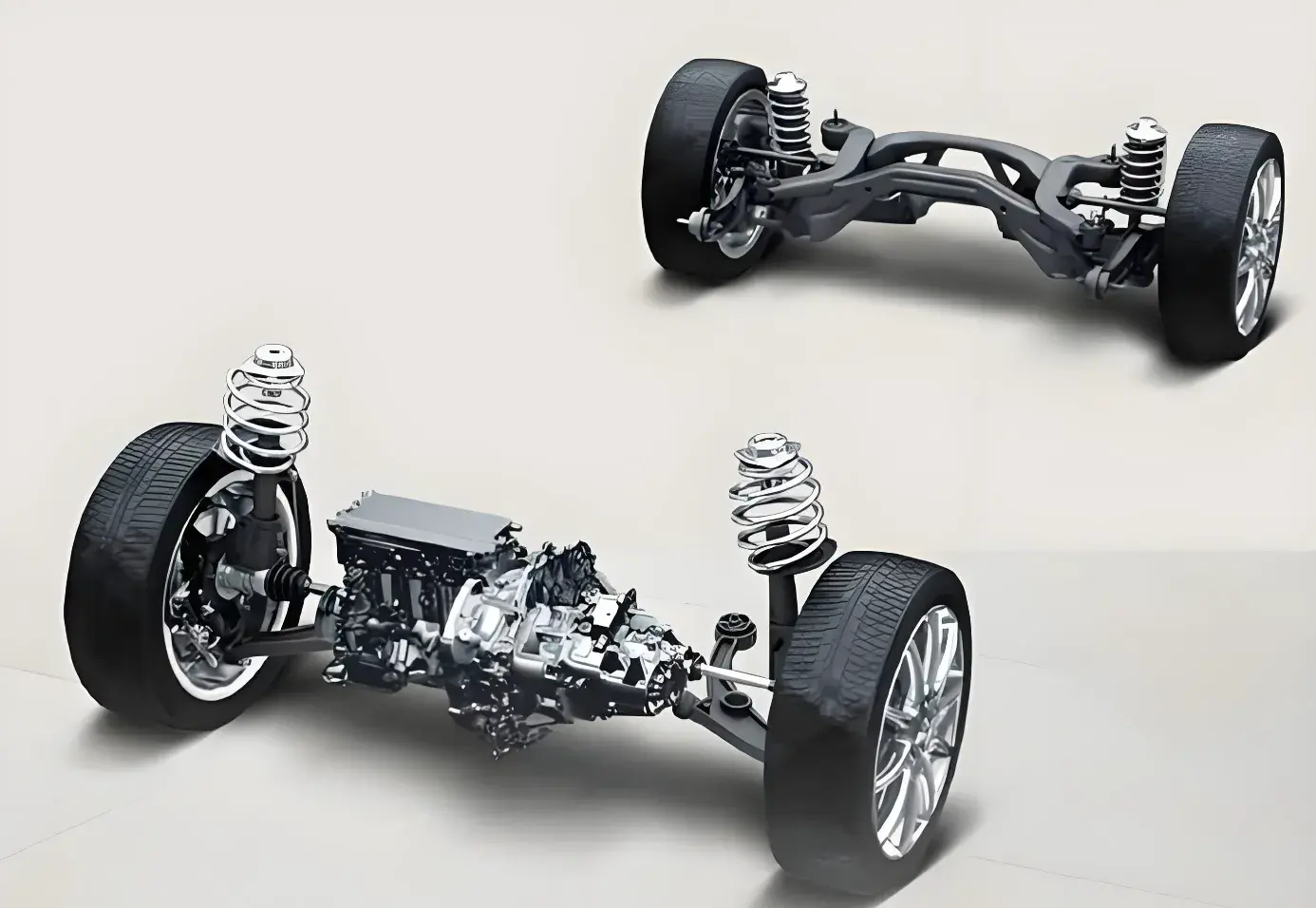
In the automotive industry, the intelligent chassis suspension system plays a crucial role in enhancing ride comfort. Among its components, the noise spectrum of solenoid valves is an
easily overlooked yet significantly impactful factor.As a key component in the intelligent chassis suspension system, solenoid valves generate noise during operation. The spectral
characteristics of this noise exert multifaceted effects on automotive comfort. From an acoustic perspective, noise at different frequencies elicits distinct sensations in passengers. Low-
frequency noise typically induces a feeling of stuffiness and oppression; prolonged exposure to such an environment tends to make passengers fatigued and irritable. In contrast, high-
frequency noise may sound sharp and piercing, severely disrupting passengers' auditory experience and even hindering communication between them.To intuitively understand this
impact, let's refer to the following simple table:
| Noise Frequency Range | Impact on Comfort |
| Low frequency (20 - 200Hz) | Stuffy and oppressive; prone to causing passenger fatigue and irritability |
| Mid frequency (200 - 2000Hz) | May cause mild discomfort and distract passengers |
| High frequency (2000 - 20000Hz) | Sharp and piercing; disrupts auditory experience and communication |
So, how to quantitatively test the differences in the noise spectra of solenoid valves?
This requires the use of professional acoustic testing equipment(acoustic chamber/soundproof box)and methods. Firstly, in terms of the test environment, a quiet site free from external
interference—such as a professional acoustic chamber—should be selected to ensure the accuracy of test results.
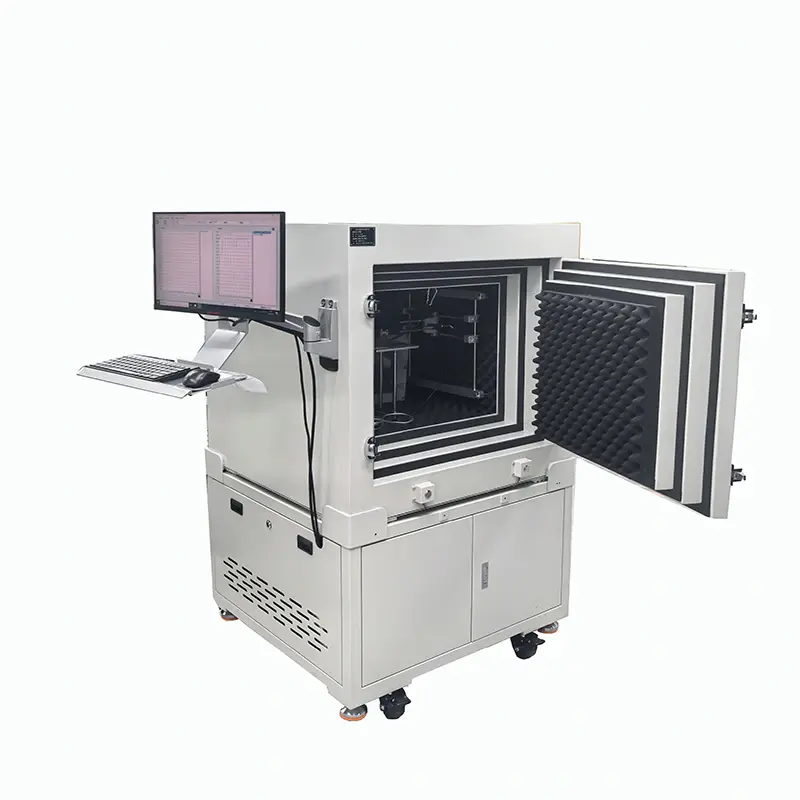
For test equipment, microphones and spectrum analyzers are commonly used. Microphones collect the noise signals generated by solenoid valves, which are then transmitted to spectrum
analyzers for analysis. Spectrum analyzers can decompose noise signals into different frequency components and display the intensity distribution of each frequency.
The specific test process is as follows: Place the microphone at a specified distance from the solenoid valve, activate the intelligent chassis suspension system to allow the solenoid valve to
operate normally. During operation, the microphone continuously collects noise signals, while the spectrum analyzer records and analyzes the signals in real time. Through multiple tests
and data processing, accurate data on the solenoid valve's noise spectrum can be obtained. Subsequently, by comparing the noise spectrum data of solenoid valves under different
operating conditions or with different designs, the differences between them can be quantified.
By quantitatively testing the differences in solenoid valve noise spectra, automotive manufacturers can gain a better understanding of the acoustic characteristics of solenoid valves,
thereby optimizing the intelligent chassis suspension system. For example, by improving the structural design of solenoid valves or adjusting operating parameters, the intensity of noise at
harmful frequencies can be reduced, enhancing automotive comfort. This is of great significance for improving the overall quality and market competitiveness of automobiles.
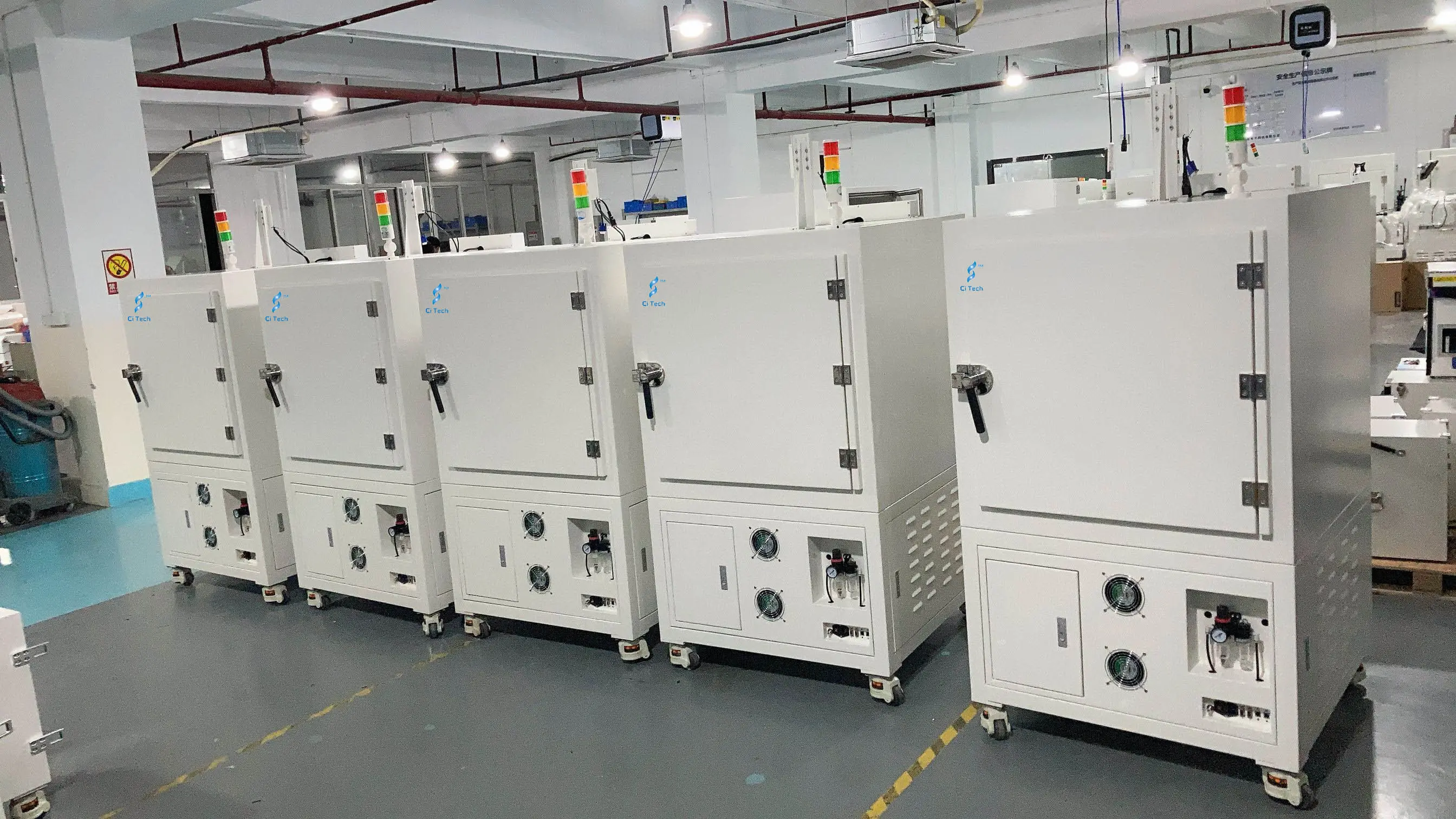
Saisheng: A professional manufacturer of shielded enclosures (RF shielded box)and soundproof boxes(acoustic chamber), providing customized RF shielded enclosures and
soundproof boxes according to specific requirements.