6GHz spectrum, the future of 5G!
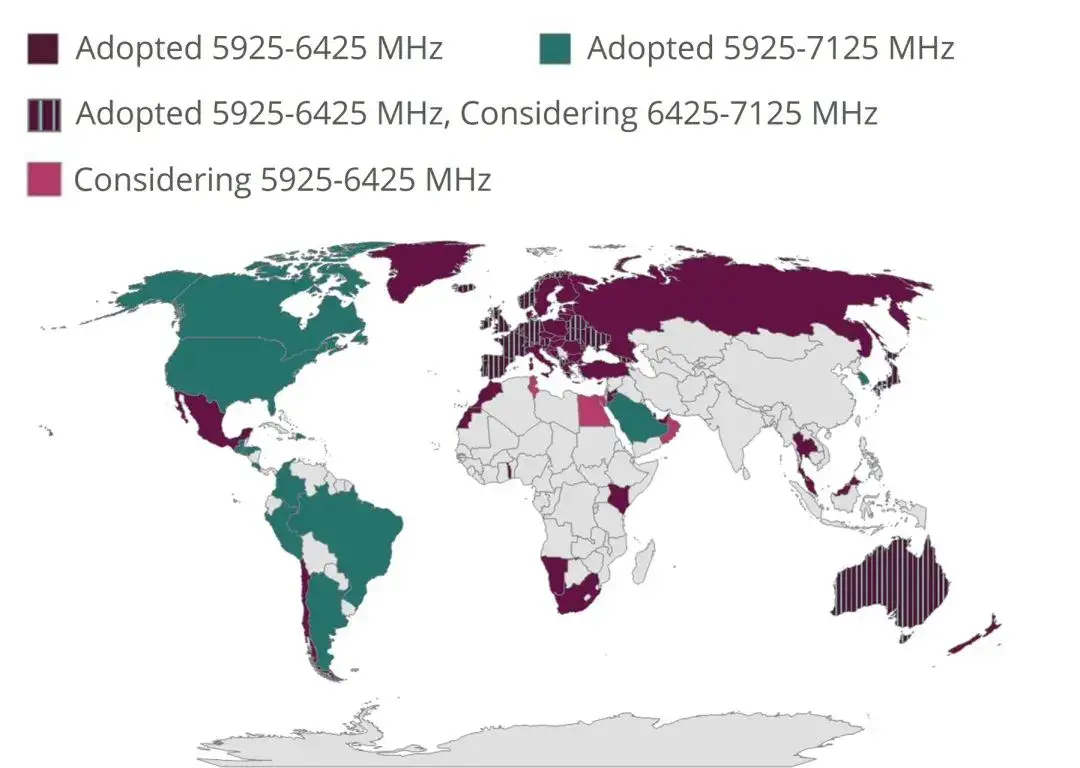
The WRC-23 (World Radiocommunication Conference) organized by the International Telecommunication Union (ITU) has decided that the 6.425-7.125 GHz frequency band (with a total bandwidth of 700 MHz) will be used for mobile services, namely 5G mobile communications.
What is 6GHz?
What is 6GHz?
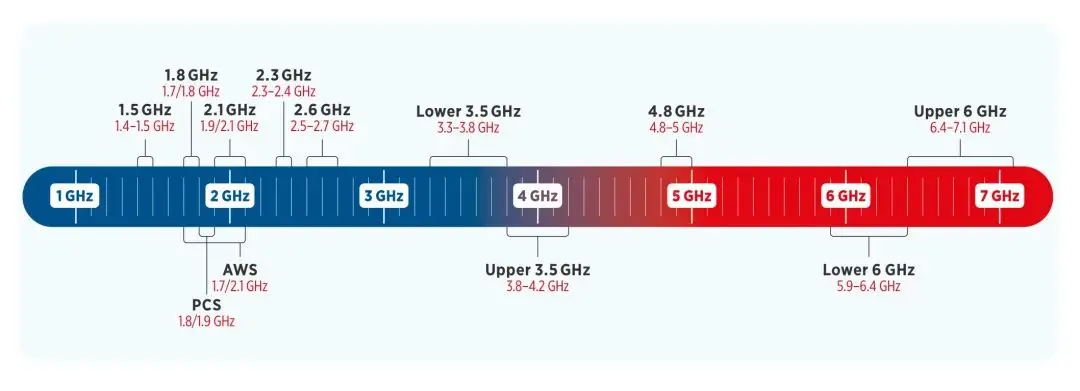
6GHz refers to the frequency spectrum ranging from 5925 MHz to 7125 MHz, with a bandwidth of 1.2 GHz.
Previously, all the medium and low-frequency spectrums available for mobile communications were already allocated, and only the use of 6GHz remained unclear.
The upper limit of Sub-6GHz initially defined for 5G is 6GHz, and above that is millimeter wave. At present, with the expected extension of the 5G lifecycle and the dim commercial prospects of millimeter waves, formally incorporating 6GHz is crucial for the next step of 5G development.
3GPP has standardized the upper half of the 6GHz band, i.e., 6425-7125 MHz (700 MHz) in the R17 version, which is also called U6G with the band code n104.
Wi-Fi is also vying for 6GHz.
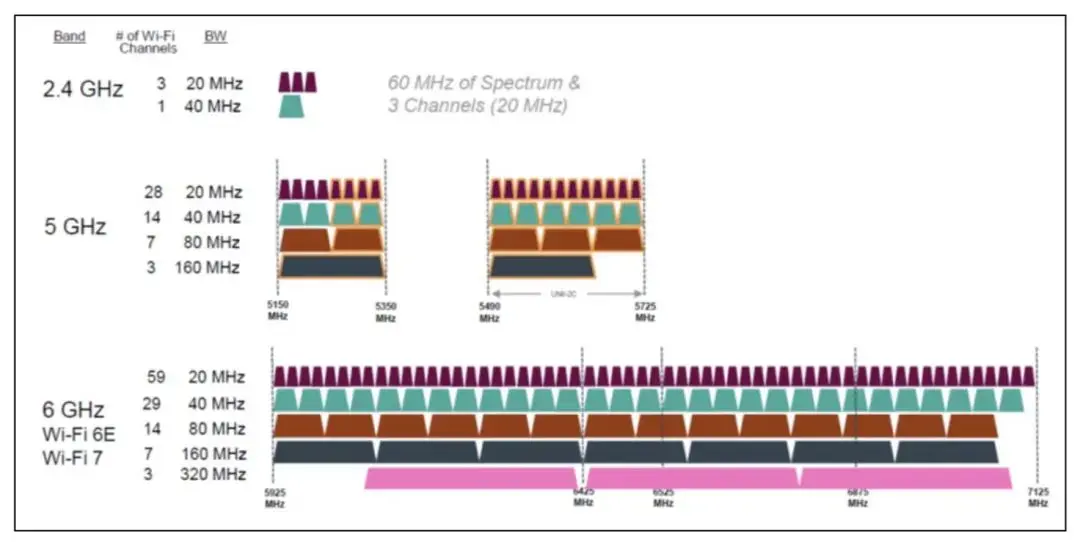
In Wi-Fi 6E, 6GHz has been included in the standard. As can be seen from the figure below, with 6GHz, the frequency bands of Wi-Fi will expand from 600 MHz in 2.4GHz and 5GHz to 1800 MHz, and the maximum single-carrier bandwidth in 6GHz can support 320 MHz.
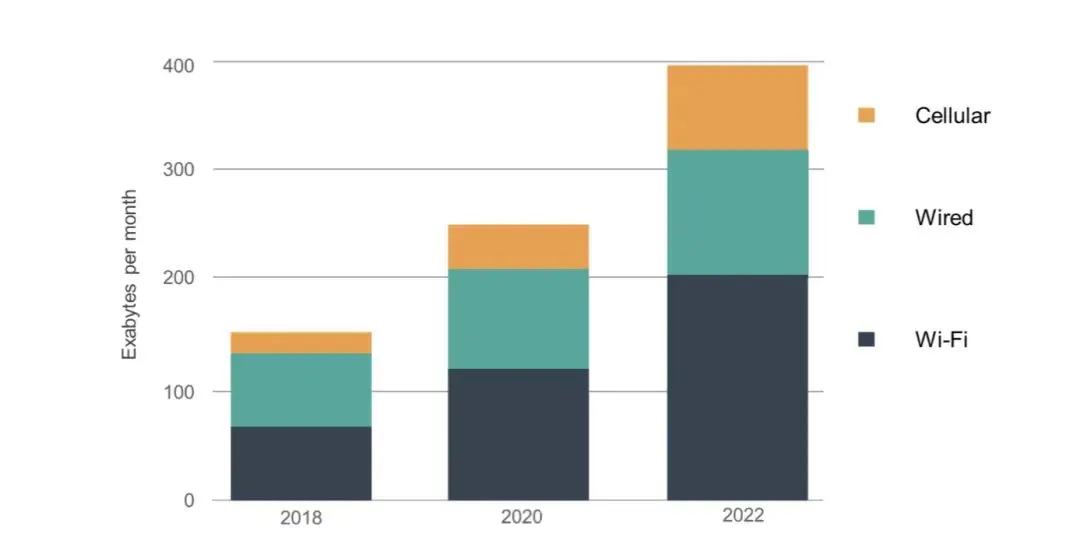
In a report released by the Wi-Fi Alliance, it is mentioned that currently, the majority of network capacity is provided by Wi-Fi, and 6GHz is the future of Wi-Fi. Mobile communications still have a lot of unused spectrum, so the demand for 6GHz is unreasonable.
In recent years, the industry has three opinions on the ownership of 6GHz: the first is to allocate all to Wi-Fi, the second is to allocate all to mobile communications (5G), and the third is to allocate half to each.
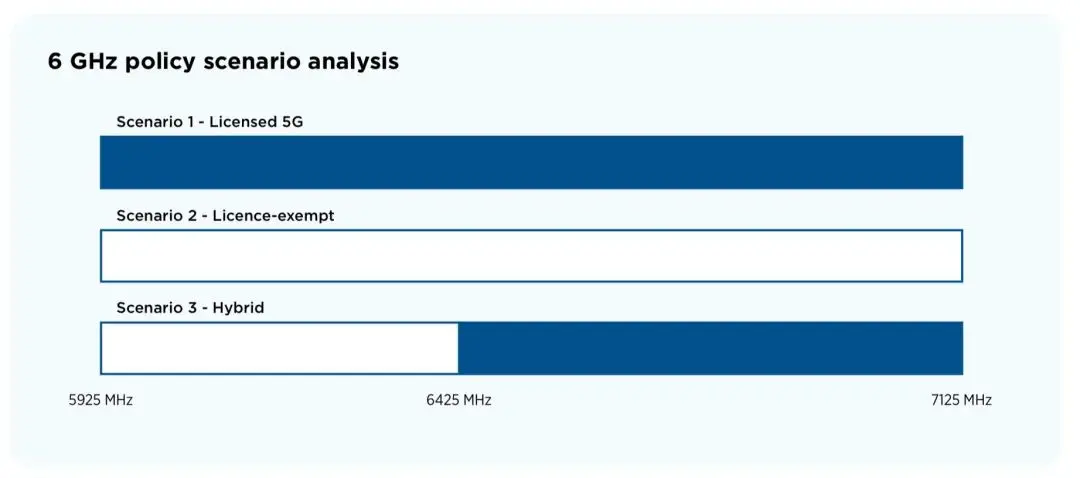
On the website of the Wi-Fi Alliance, it can be seen that most countries in the Americas have allocated all 6GHz to Wi-Fi, while Europe tends to allocate the low segment of 6GHz to Wi-Fi. The remaining high segment will naturally belong to 5G.
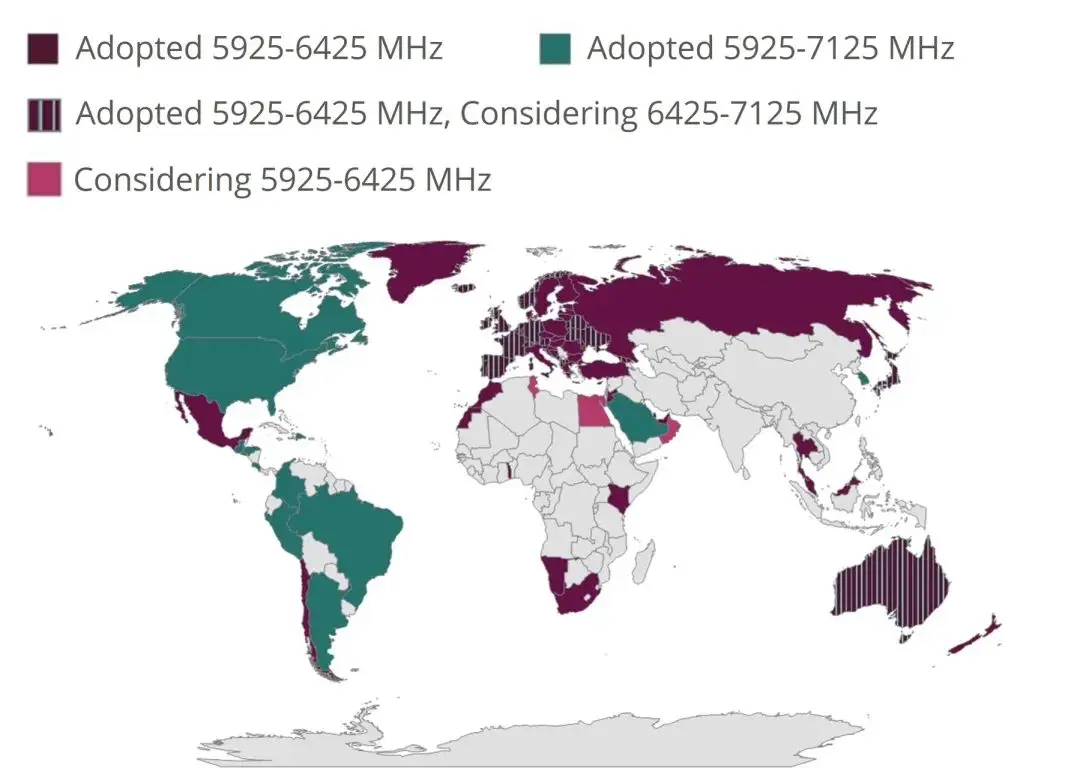
The decision of WRC-23 can be regarded as a confirmation of the established facts, which can be described as a win-win situation after competition and compromise between 5G and Wi-Fi.
Although this decision may not affect the U.S. market, it does not prevent 6GHz from becoming a global universal frequency band. Moreover, the frequency of this band is relatively low, and it is not difficult to achieve outdoor coverage similar to 3.5GHz. 5G will usher in a second wave of construction peaks.
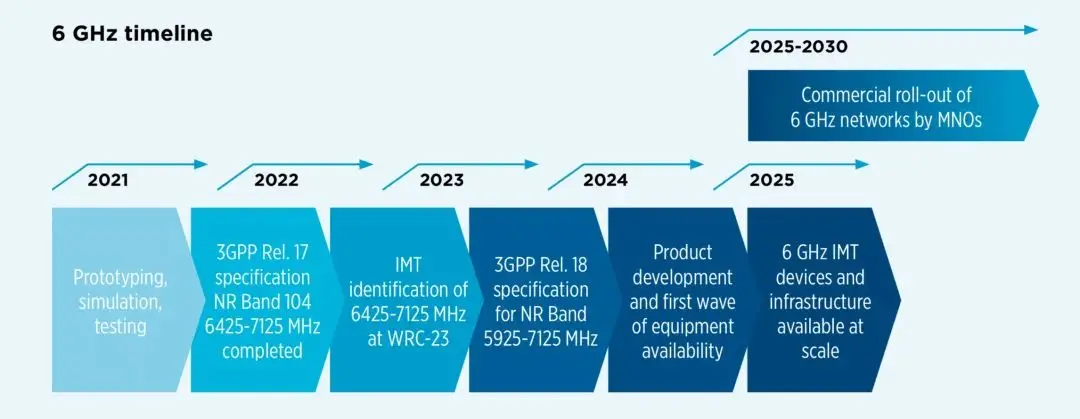
According to GSMA's prediction, this wave of 5G construction will start in 2025, which is the second half of 5G: 5G-A. We look forward to the surprises that 5G-A will bring to us.
Saisheng Technology: A professional supplier of RF shielding boxes, audio isolation testing equipment (anechoic chambers), and antenna couplers.