How to choose the RF shield box ?
When it comes to choosing a
RF shield box, several key factors need to be considered to ensure optimal performance and suitability for your specific application. First and
foremost, the frequency range is crucial. Different shielding boxes are designed to handle various frequency bands. You must accurately identify the frequencies of the signals
you aim to shield. For example, if you are working with high - frequency wireless communication devices operating in the microwave range, you need a shielding box that can
effectively block and contain these high - frequency signals. A box with poor high - frequency shielding performance will lead to signal leakage and interference. The shielding
effectiveness specification of the box is another vital aspect. It is usually measured in decibels (dB). A higher shielding effectiveness value means better protection against
external electromagnetic interference and prevention of internal signal leakage. Consider your application's sensitivity to interference; for sensitive electronic testing
equipment, a shielding box with a shielding effectiveness of 80 dB or more might be necessary. The size of the shielding box should match your equipment or components. It
should be large enough to accommodate the device comfortably, with some extra space for cables and accessories. However, it should not be overly large, as this can increase
the cost and make it less portable. Material quality also plays a significant role. Shielding boxes are commonly made from materials like aluminum or copper, which have good
electrical conductivity. Aluminum is lightweight and corrosion - resistant, while copper offers excellent shielding performance. The construction quality, including the tightness
of seams and joints, affects the overall shielding ability. Finally, consider additional features such as access ports, ventilation holes, and ease of operation. Access ports should
be designed in a way that does not compromise shielding effectiveness when cables are connected. Ventilation holes may be required for heat dissipation of the enclosed
equipment, but they need to be properly shielded. A user - friendly design with easy - to - use latches or doors can enhance the practicality of the RF shield box. By carefully
evaluating these factors, you can select the most appropriate shielding box for your needs.
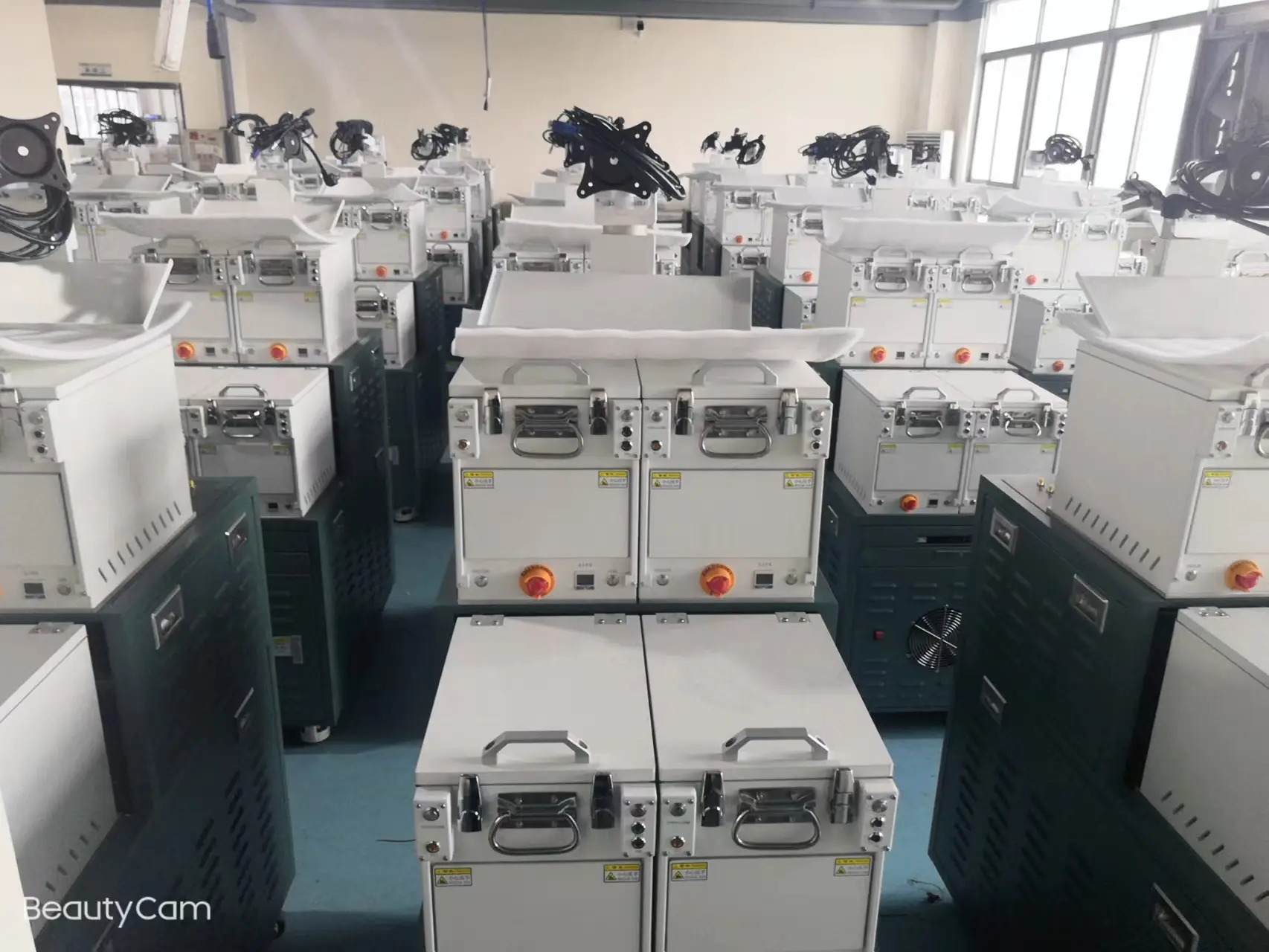
An RF shield box is an essential enclosure in wireless RF terminal testing, designed to create a controlled environment by blocking external electromagnetic interference (EMI).
In RF terminal testing, a shielding box ensures accurate measurements by isolating the device under test (DUT), such as smartphones or IoT devices, from ambient RF signals.
A RF shielded box achieves this through conductive materials like copper, which attenuate unwanted emissions and contain the DUT’s signals. During RF terminal testing, a
shield box is critical for Over-The-Air (OTA) evaluations, where it prevents external noise from skewing data on signal strength or frequency response. A shielding box also
enables secure testing of wireless protocols (e.g., 5G, Wi-Fi) by isolating the DUT, allowing engineers to simulate network conditions without interference. A RF shielded box ’s
EMI-sealed design and adjustable ports further enhance its utility, ensuring reliable connections to test equipment while maintaining shielding integrity. For RF terminal
manufacturers, a RF shield box is indispensable for validating compliance with standards like FCC or CE. A shielding box minimizes signal leakage, ensuring tests reflect real-
world performance accurately. Whether testing antennas, transceivers, or sensors, a RF shielded box provides a repeatable, interference-free environment, accelerating debug
cycles and optimizing RF terminal reliability. In summary, a RF shield box , or shielding box , is a cornerstone of RF termina testing, ensuring precise, reliable results in an
increasingly wireless world.
You can follow below factors to choose your shielding enclosure.
1) The inner size of the shielding enclosure, it depends on your DUT(device under test).
2) The operation of the Shielding enclosure, Manual, Pneumatic, Semi-automatic. Also it depends on your usage.
3) The connector you need such as DB9/DB25/RJ45/USB /SMA/ etc. We can do the customized connector at economical cost.
4) The frequence of your DUT(device under test).
5) The shielding effectiveness you need for your DUT(device under test).
6) Other specific request if you have.